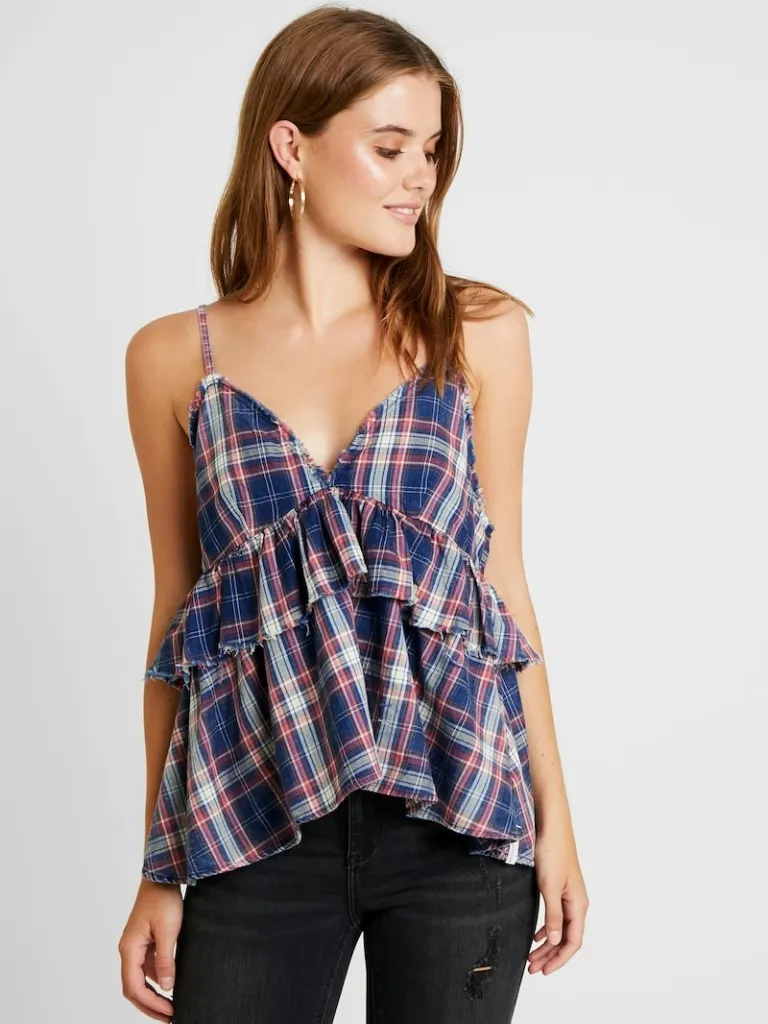
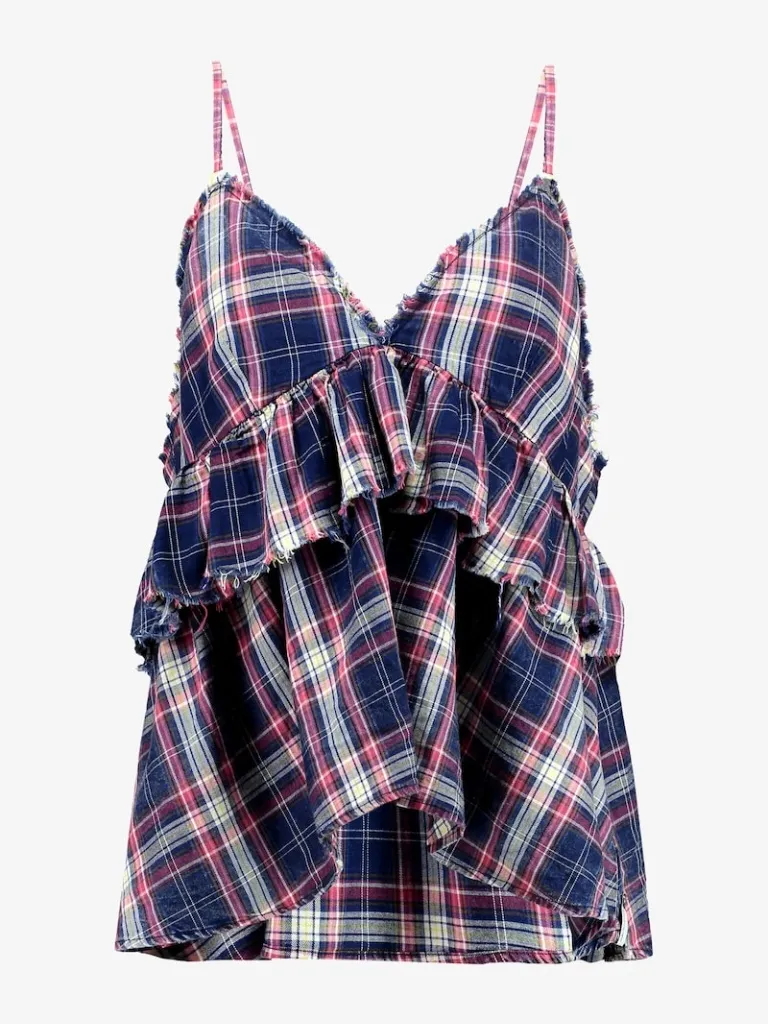
Garment Try-Off LoRA (MiniMax H3)
Try-off LoRA for MiniMax H3 Image that turns a photo of a worn top into a front-facing product shot on white. Trained on 500 VITON-HD pairs (non-commercial research data) for 1,500 steps, then tested on ten commercial brand photos that were never in the training data, including puffer jackets, hoodies and cardigans the training set barely covers.
What it does
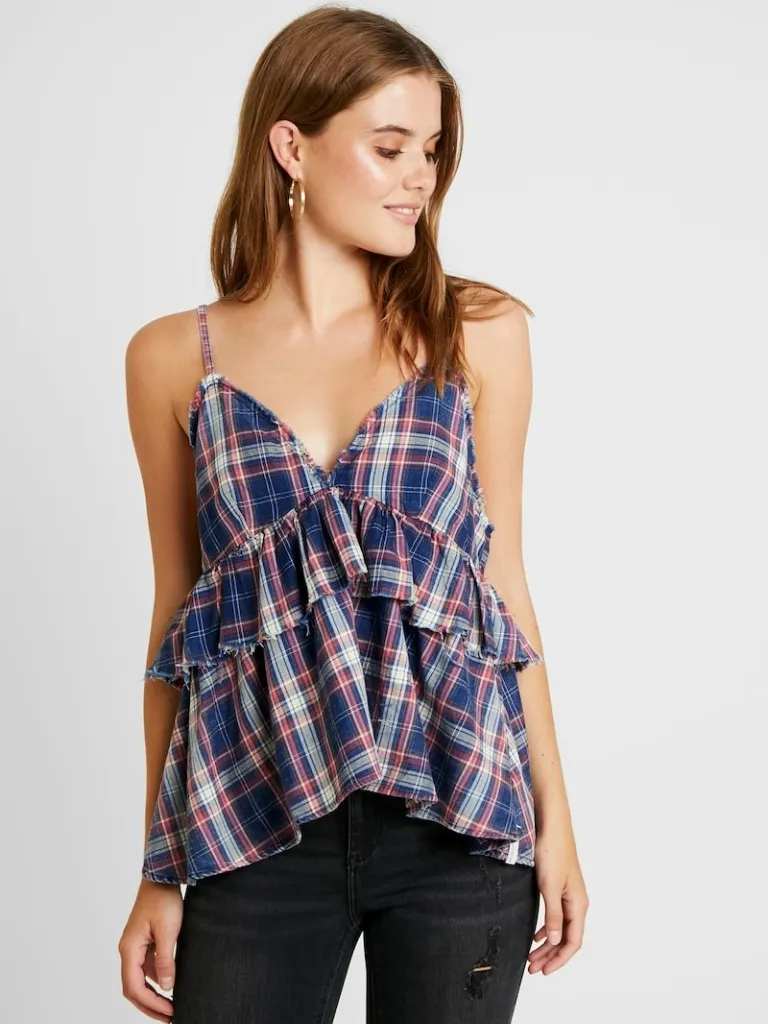
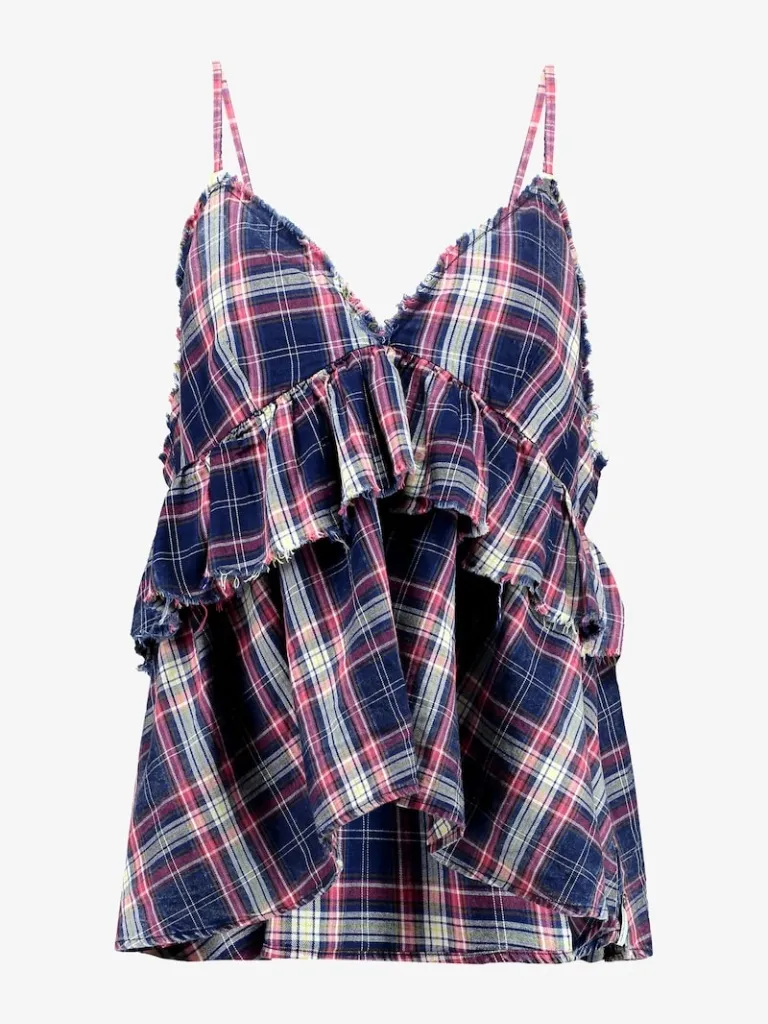
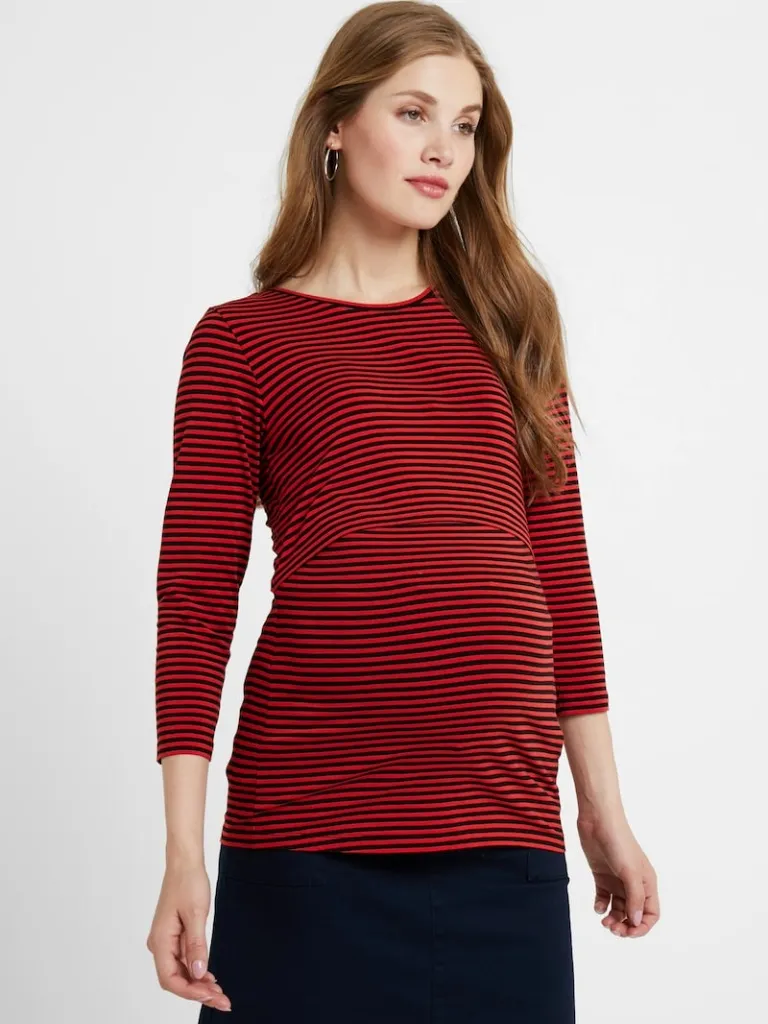
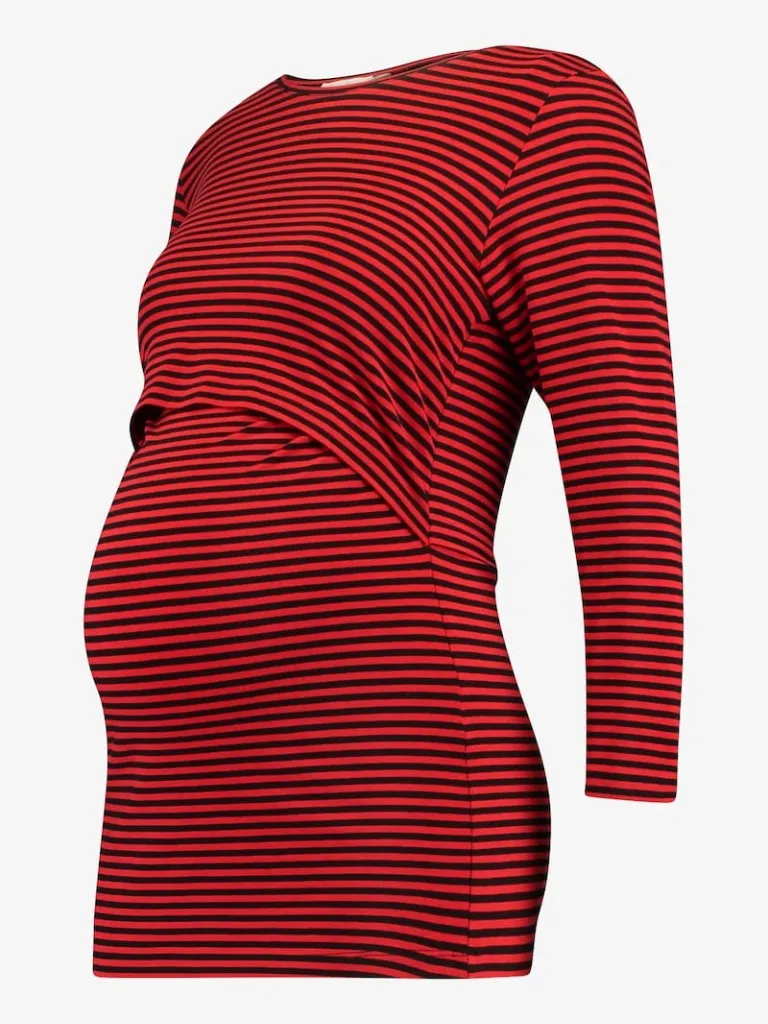
A try-off LoRA: give it a photo of someone wearing a top, and it returns the same garment as a front-facing product shot on a white background. The use case is making product images when only on-model photos exist.
Training
- Data: From the VITON-HD training split (11,647 pairs), I paired each on-model photo with the standalone garment photo of the same file name and selected 500 pairs. Selection used batched GPT classification to balance garment type, color and pattern; the pairs were not checked one by one by a person.
- Garment types (auto-classified): 170 t-shirts, 115 blouses, 75 knits, 70 tank tops, 28 sweatshirts, 19 shirts, 20 other, 2 hoodies and 1 outerwear piece.
- Setup: Trained MiniMax H3 Image with AI-Toolkit, with the transformer quantized to INT8 and the Qwen3-VL text encoder to NVFP4. LoRA rank 16 (alpha 16), 1,500 steps, batch 1, learning rate 1e-4, AdamW 8-bit, 1024 resolution bucket (VITON-HD source images are 768×1024).
- Time: With in-training sampling turned off, 1,500 steps took 3 hours 19 minutes.
Tests
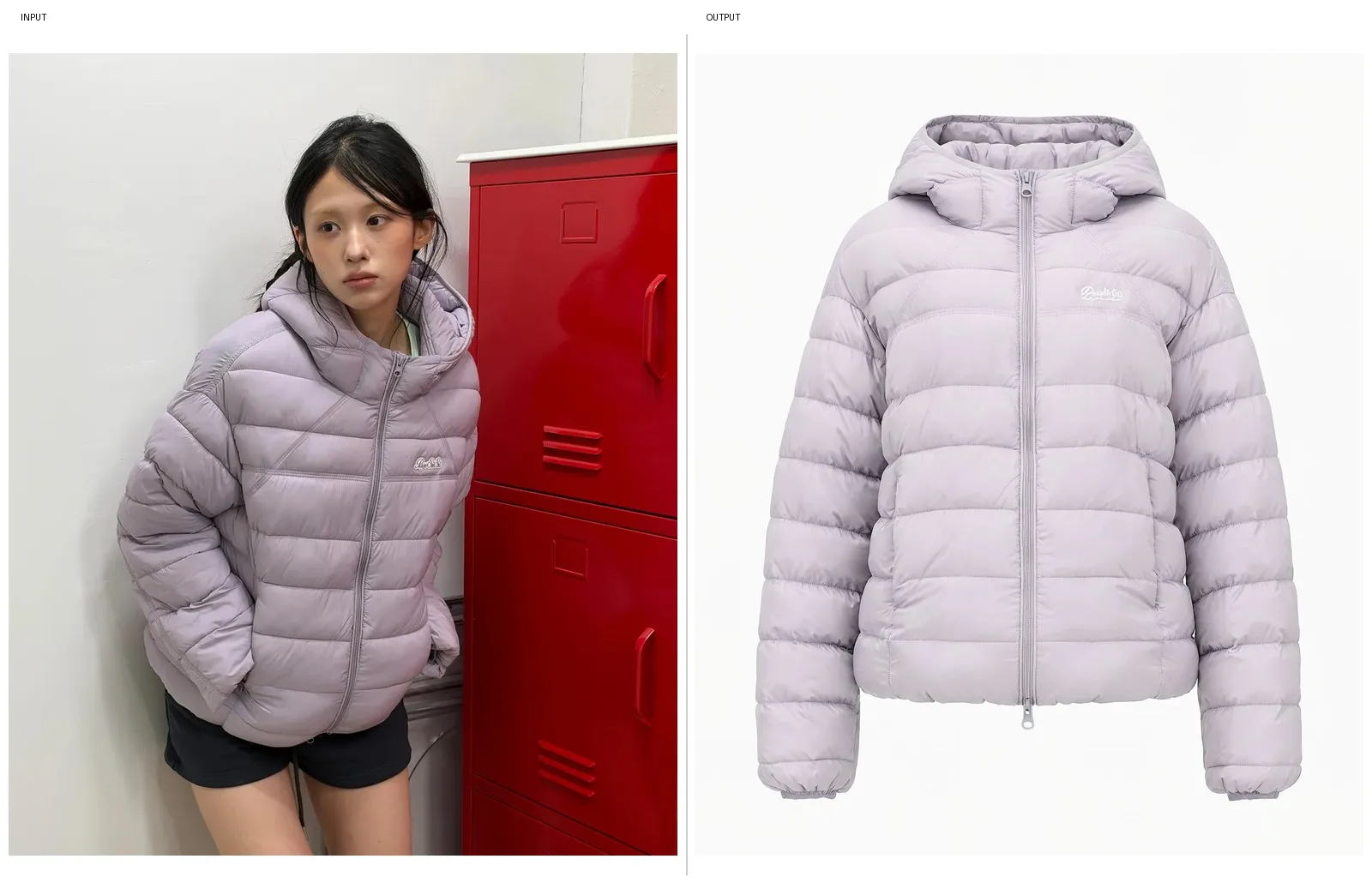
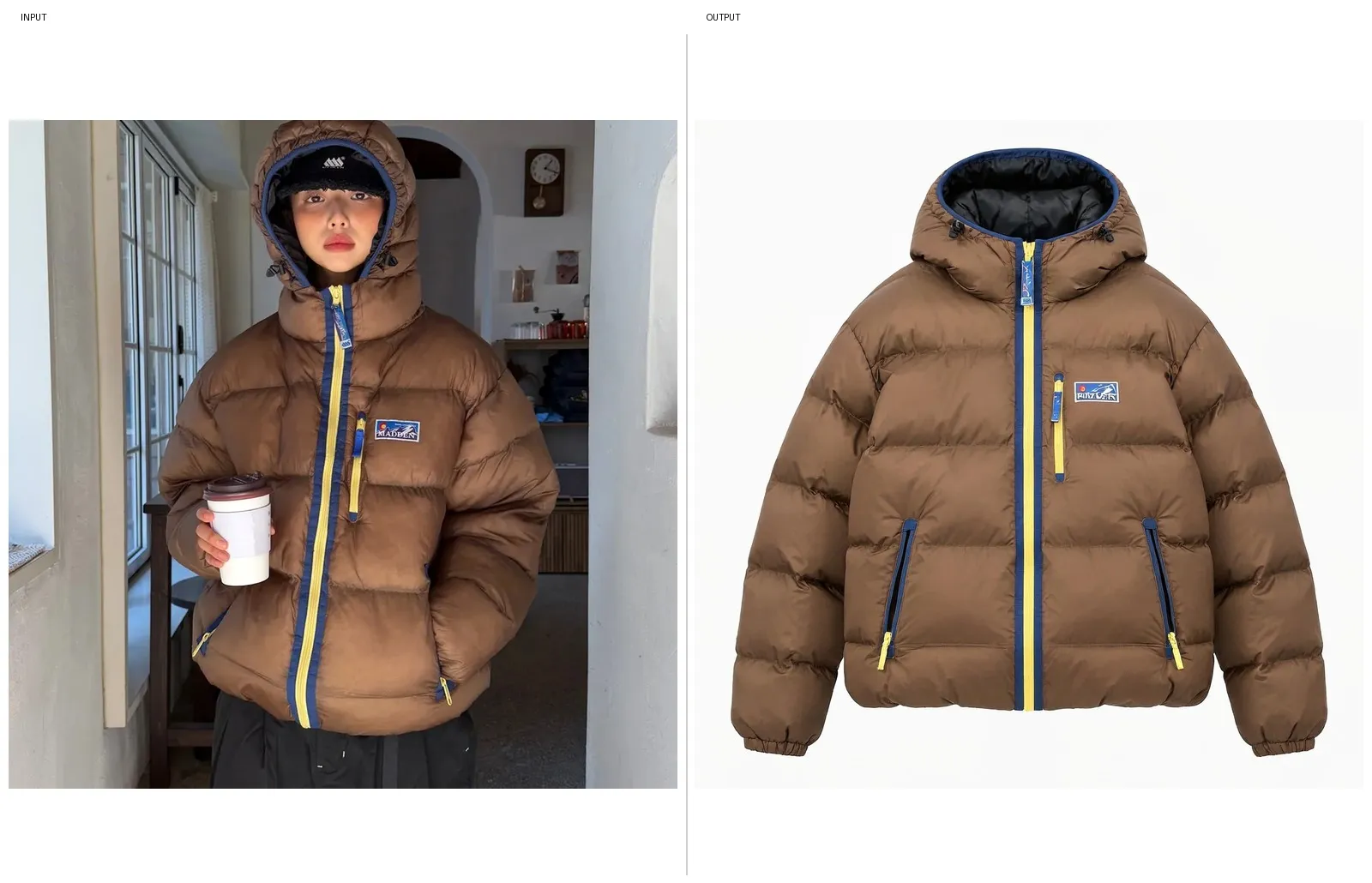
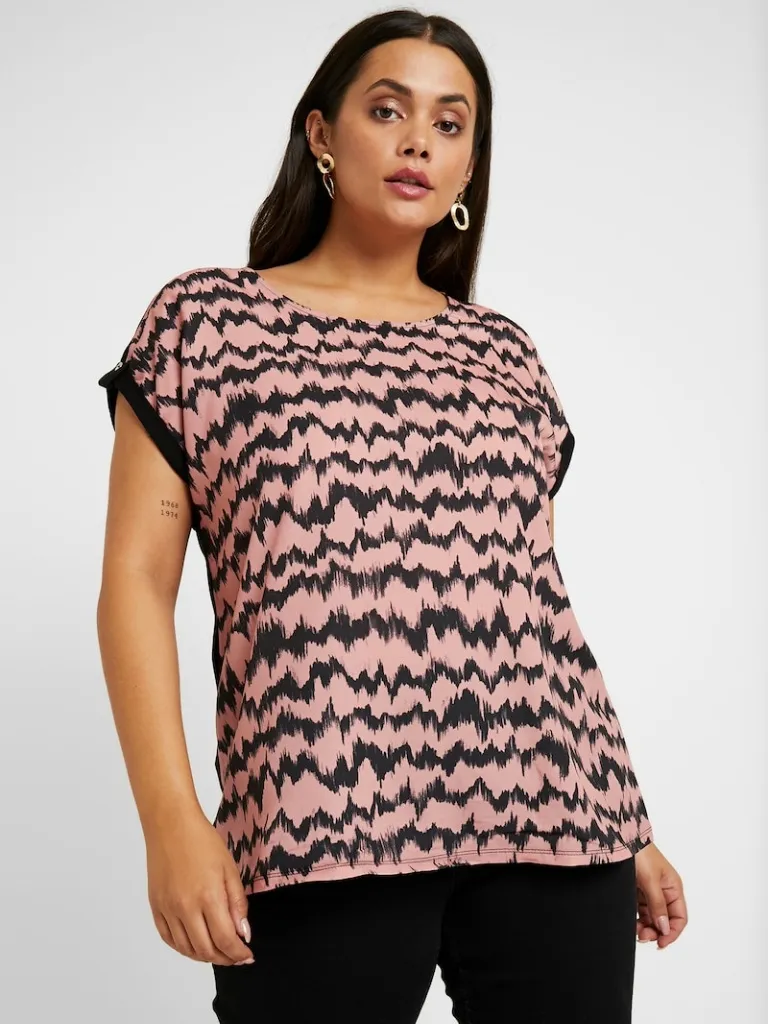
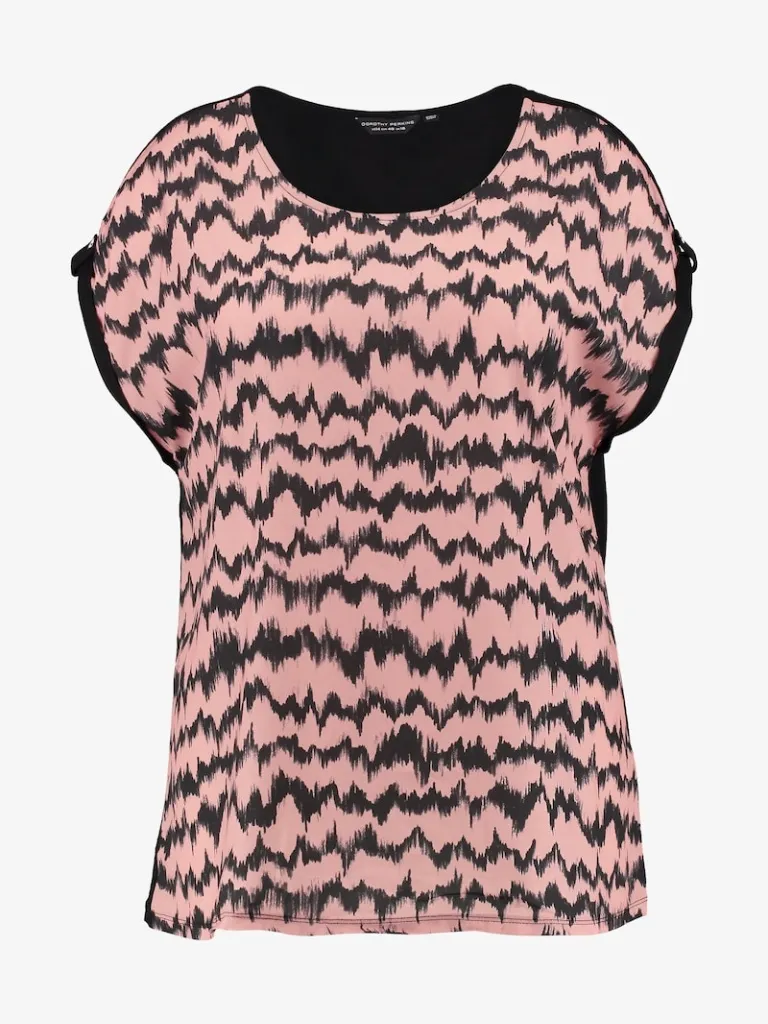
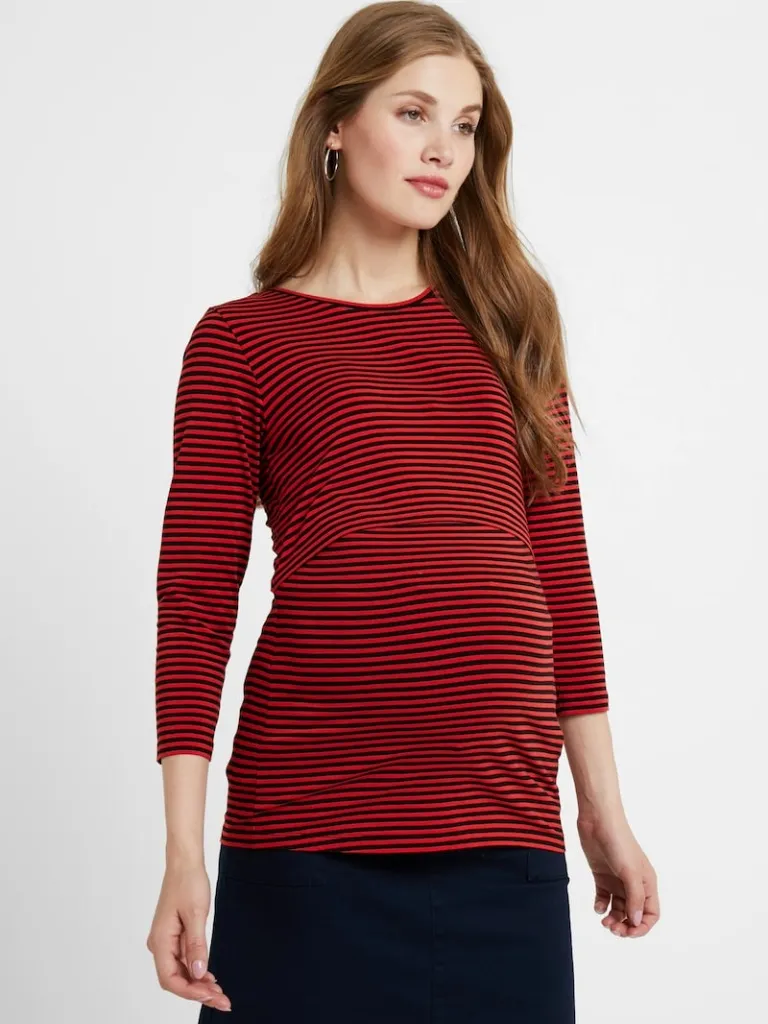
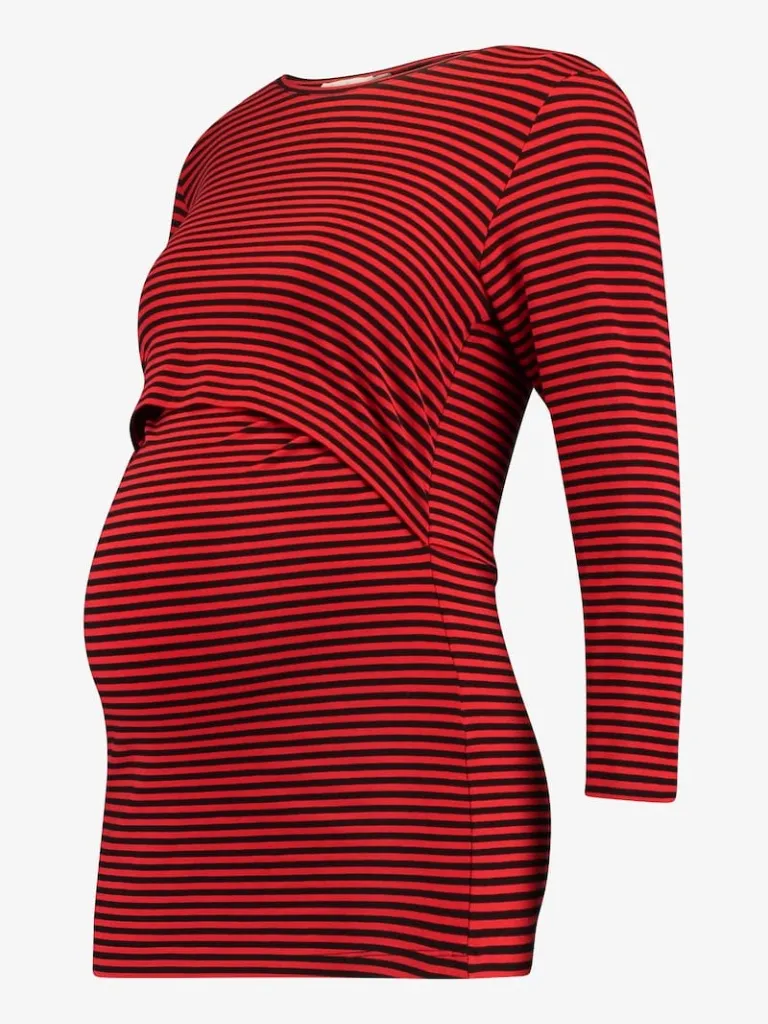
I checked the results on ten on-model photos from commercial brands that were never part of the training data, generated at about 2MP (such as 1280×1536), 6 steps, seed 42 and LoRA strength 1.
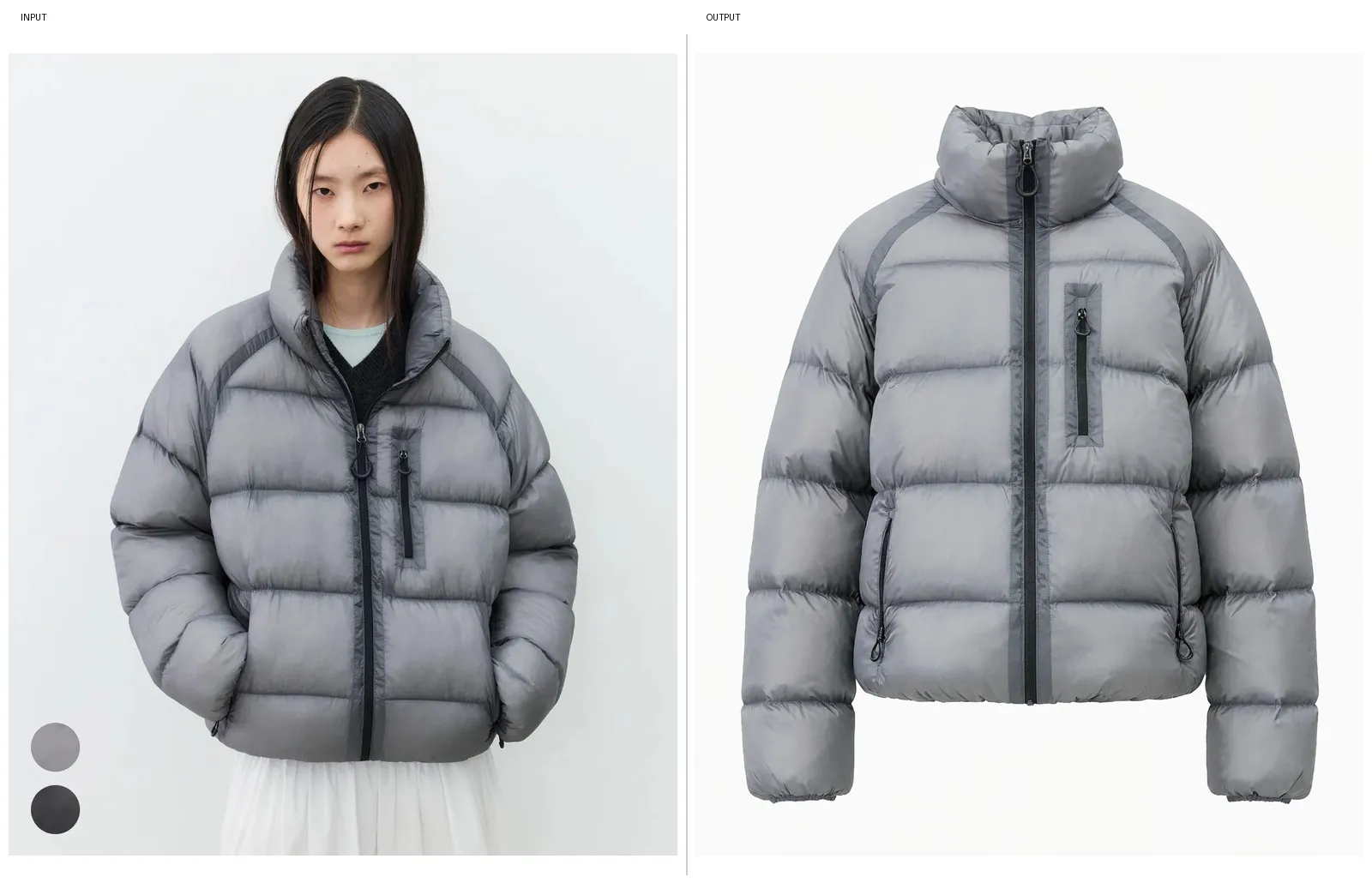
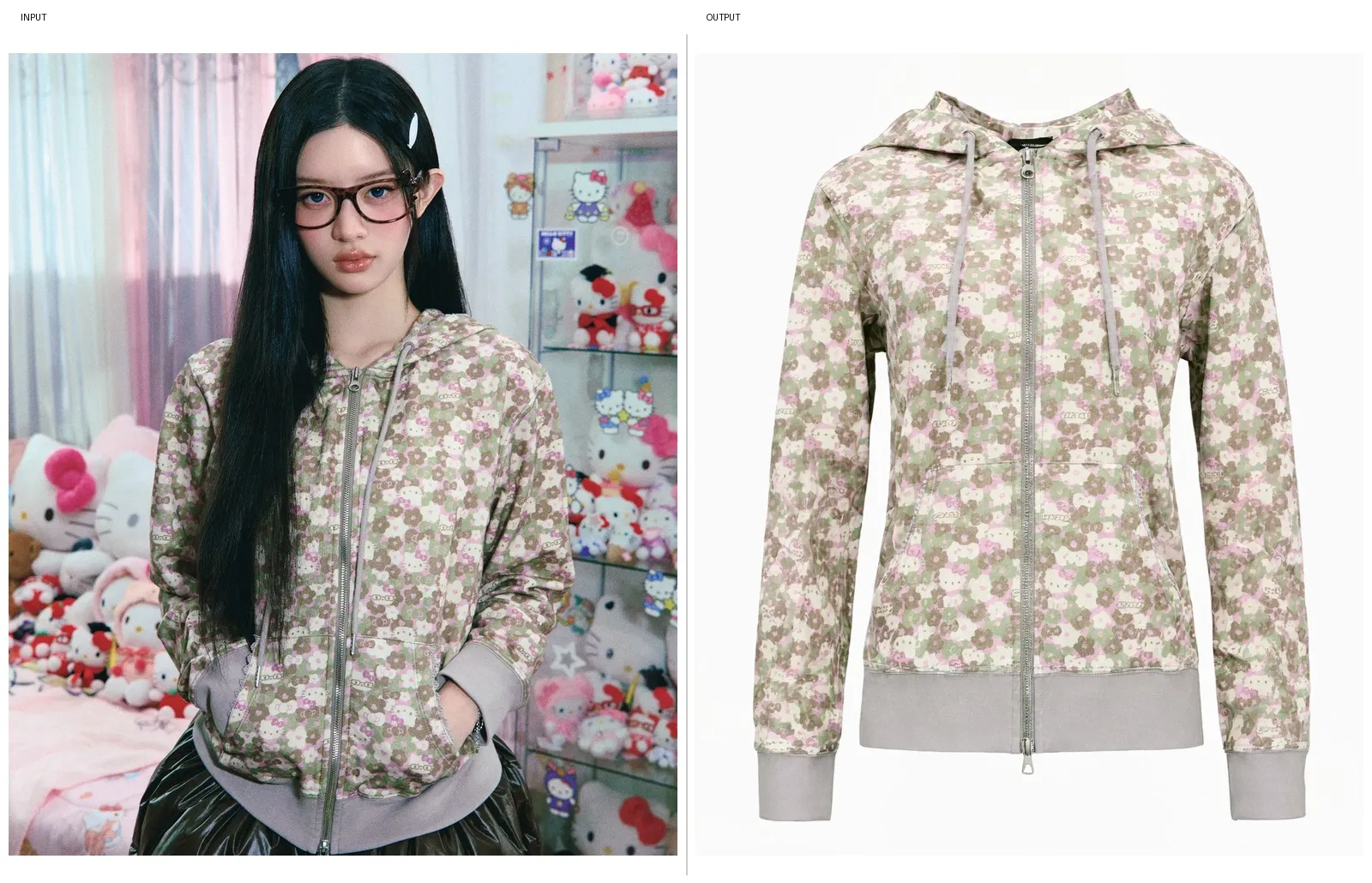
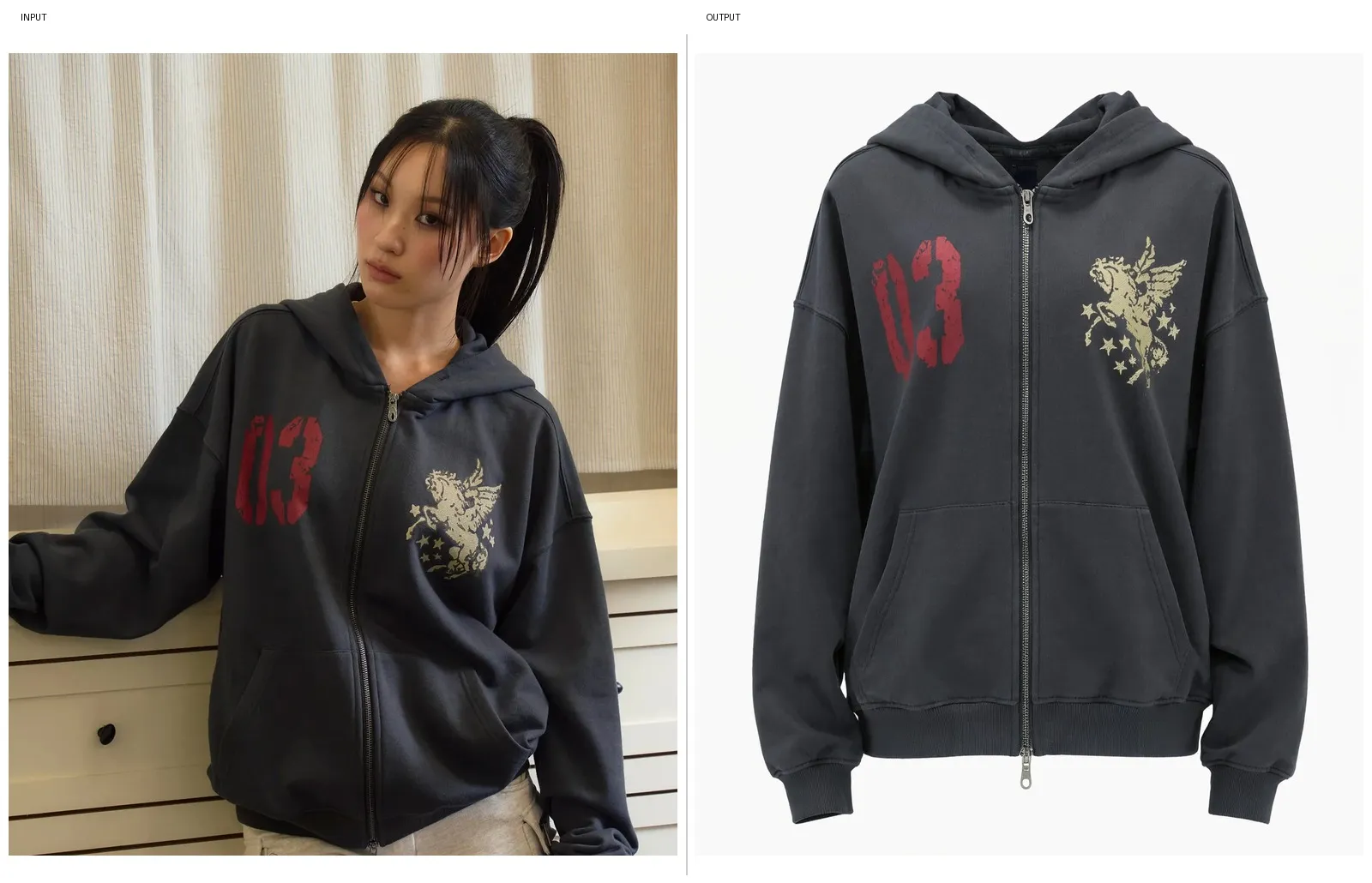
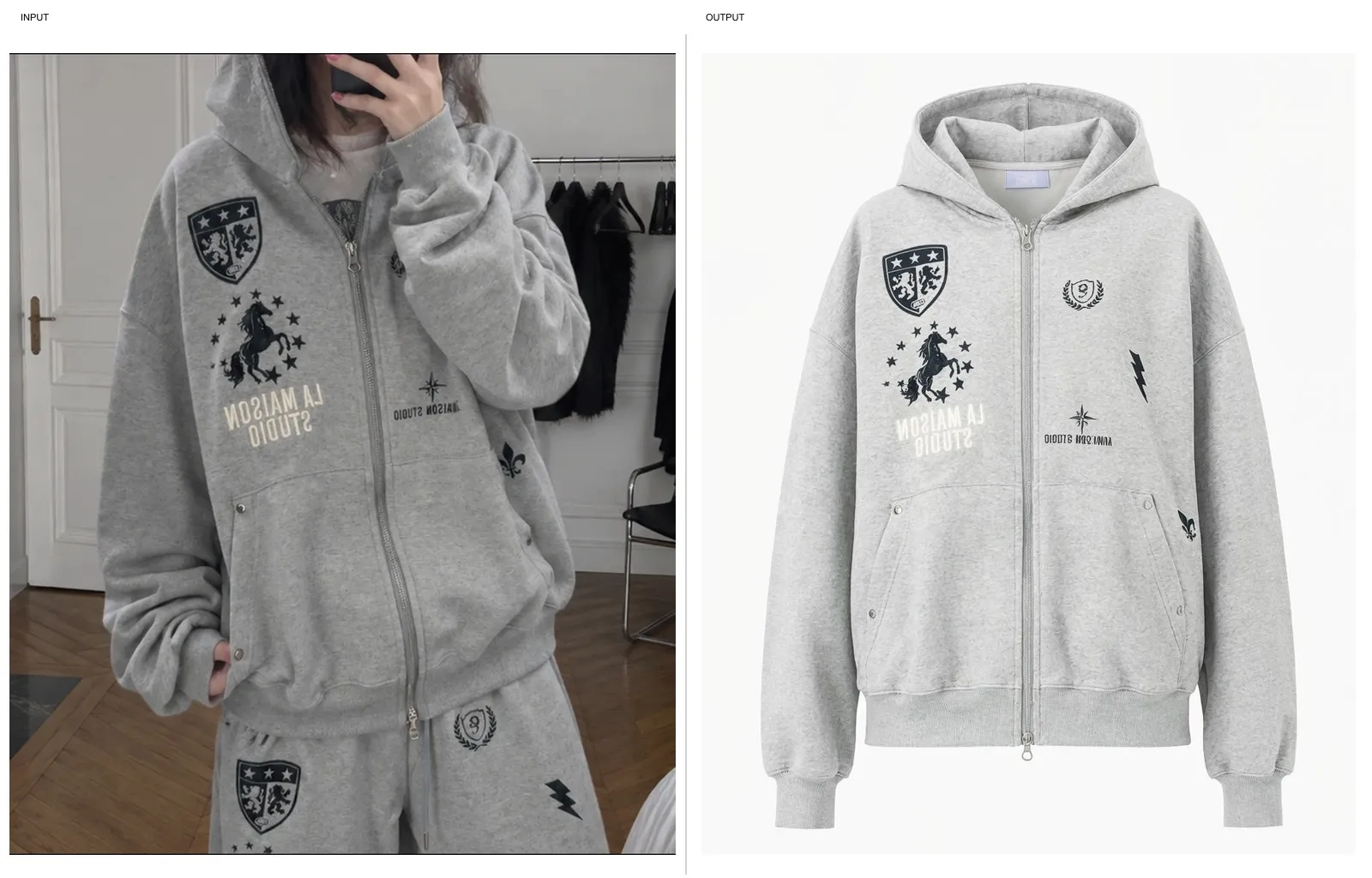
- It carries over to garment types it barely saw. The training data has 1 outerwear pair and 2 hoodie pairs, yet the ten tests include three puffer jackets and three zip hoodies, plus two knit cardigans, a fringed knit top and a lace corset top. Color, quilting, zippers, buttons, bows, lace and all-over prints were mostly kept.
- Logos and lettering are the weak spot. A brand name on a patch came out garbled (2nd test), and mirrored embroidered text turned into different letters (6th test). Small inner labels that are not in the source photo sometimes appear. The prompt asks for the upper garment only, but for the corset top worn as a matching set (9th test) the skirt came out too.
- These were not scored with a metric; I compared inputs and outputs side by side by eye.
Data and image notice
- Training data: VITON-HD (Choi et al., CVPR 2021), released under CC BY-NC 4.0 for non-commercial research. The LoRA and the training data are used for non-commercial purposes only and are not distributed. The 3 pairs under training data samples are unmodified VITON-HD images.
- Inference test images: Publicly available on-model photos from commercial brands, used only to test the model and never used in training. I compared them by image hash against all 1,000 training images (500 on-model, 500 product) and found no overlap. Rights to the photos and products belong to their brands and photographers, and I will take them down immediately on request.
gallery (16)
Inference tests · commercial brand photos → generated product shots (not used in training)
Training data samples · VITON-HD worn → product (3 of 500 pairs, CC BY-NC 4.0)